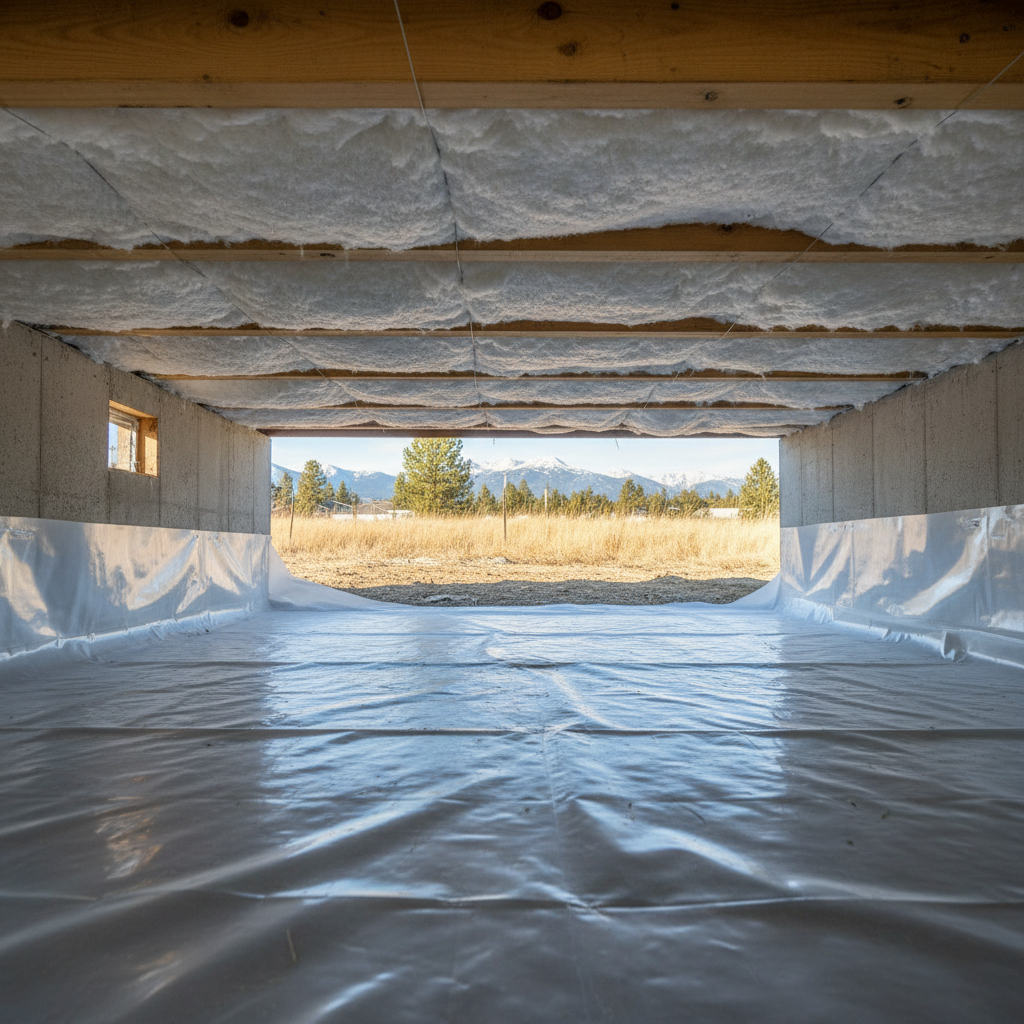
Alright, let's talk crawl spaces. It's not the most glamorous part of your house, I get it, but it's one of the most important, especially here in Bozeman. We see some wild temperature swings, and a poorly insulated crawl space can absolutely wreck your comfort and your energy bills. I've been doing this a long time, and homeowners always come to me with similar questions. So, I figured I'd just lay out the answers to the most common ones I hear. No fluff, just what you need to know.
Do I even need to insulate my crawl space in Bozeman?
You bet your boots you do. Look, we get cold winters here, sometimes dipping way below zero for days on end. If your crawl space isn't properly insulated, that cold air just seeps right up into your floors, making your house feel drafty and your furnace work overtime. In the summer? It can get humid down there, especially with our spring melts and occasional heavy rains, which often leads to moisture issues. Proper insulation creates a thermal barrier, keeping the cold out in winter and managing moisture better year-round. It's not just about comfort; it's about protecting your home's structure and improving air quality, too.
What's the deal with vapor barriers? Are they really necessary?
Absolutely, they're necessary. Think of a vapor barrier as the first line of defense against moisture in your crawl space. Here in Bozeman, especially in areas with higher water tables or clay soils like you find in some parts of the Valley, moisture can be a real problem. Without a heavy-duty vapor barrier (we're talking 10-mil or thicker, not that flimsy stuff), ground moisture will evaporate right up into your crawl space, raising humidity levels. This can lead to mold, mildew, wood rot, and even attract pests. A good vapor barrier, properly sealed and extending up the foundation walls, keeps that moisture out of the air and off your joists. It's foundational to a healthy crawl space, plain and simple.
My crawl space is vented. Is that good or bad?
For most homes in our climate, vented crawl spaces are actually a problem, not a solution. The old thinking was that vents helped dry out the crawl space. What actually happens is that in winter, cold outside air comes in, making your floors freezing and jacking up your heating bills. In summer, especially if it's humid outside, those vents bring in moist air. That moist air then condenses on cooler surfaces inside the crawl space, making moisture issues even worse. We almost always recommend sealing off those vents as part of a proper crawl space encapsulation. It's a common misconception, but sealing them up is usually the way to go for better energy efficiency and moisture control.
How do I know if my crawl space insulation is bad or needs replacing?
There are a few tell-tale signs. First, if your floors are consistently cold in winter, that's a big indicator. Second, if you've got higher-than-normal heating bills, your crawl space might be a culprit. Go down there and take a look. Are the old fiberglass batts falling down? Do they look saggy, or are they wet and moldy? If they're water-stained, compressed, or just gone, they're not doing their job. You might also notice a musty smell in your house, which often originates from a damp crawl space. Pests, like rodents, also love to nest in old, damaged insulation, so if you see signs of them, it's definitely time for an inspection.
Can I just add more insulation on top of the old stuff?
Sometimes, but usually, it's not the best approach. If your existing insulation is old, wet, moldy, or falling apart, adding new material on top isn't going to fix the underlying problems. You're just layering new problems onto old ones. We almost always recommend removing any compromised insulation first. This allows us to properly clean the area, address any moisture issues, and then install new, high-performance insulation correctly. It's more work upfront, but it ensures the job is done right and will last. Trying to cut corners here usually ends up costing more in the long run, wouldn't you say?
What's the best type of insulation for a Bozeman crawl space?
For most of our projects at Premium Insulation Inc, we lean heavily towards rigid foam board insulation for the perimeter walls and often a combination with spray foam for sealing air leaks. Fiberglass batts, while common, have a lot of downsides in a crawl space environment – they absorb moisture, sag, and lose R-value when wet. Rigid foam board, like XPS or EPS, doesn't absorb water, holds its shape, and provides a consistent R-value. When we encapsulate a crawl space, we're essentially bringing it into the conditioned envelope of the house. Insulating the walls and sealing everything up tight with a robust vapor barrier and proper air sealing is key. This approach gives you the best performance against our harsh winters and keeps moisture at bay.
How much does crawl space insulation cost?
That's the million-dollar question, and honestly, there's no single answer without seeing your specific crawl space. It depends on several factors: the size of your crawl space, the current condition of any existing insulation (does it need removal?), the type of insulation material chosen (rigid foam, spray foam, etc.), whether a new vapor barrier is needed, and if there are any repairs or remediation required (like mold removal or structural fixes). What I can tell you is that it's an investment that pays off. You'll see lower energy bills, improved comfort, and a healthier home environment. We always provide a detailed, transparent quote after a thorough inspection, so you know exactly what you're getting into. Don't cheap out on this part of your home; it's too important for our climate.