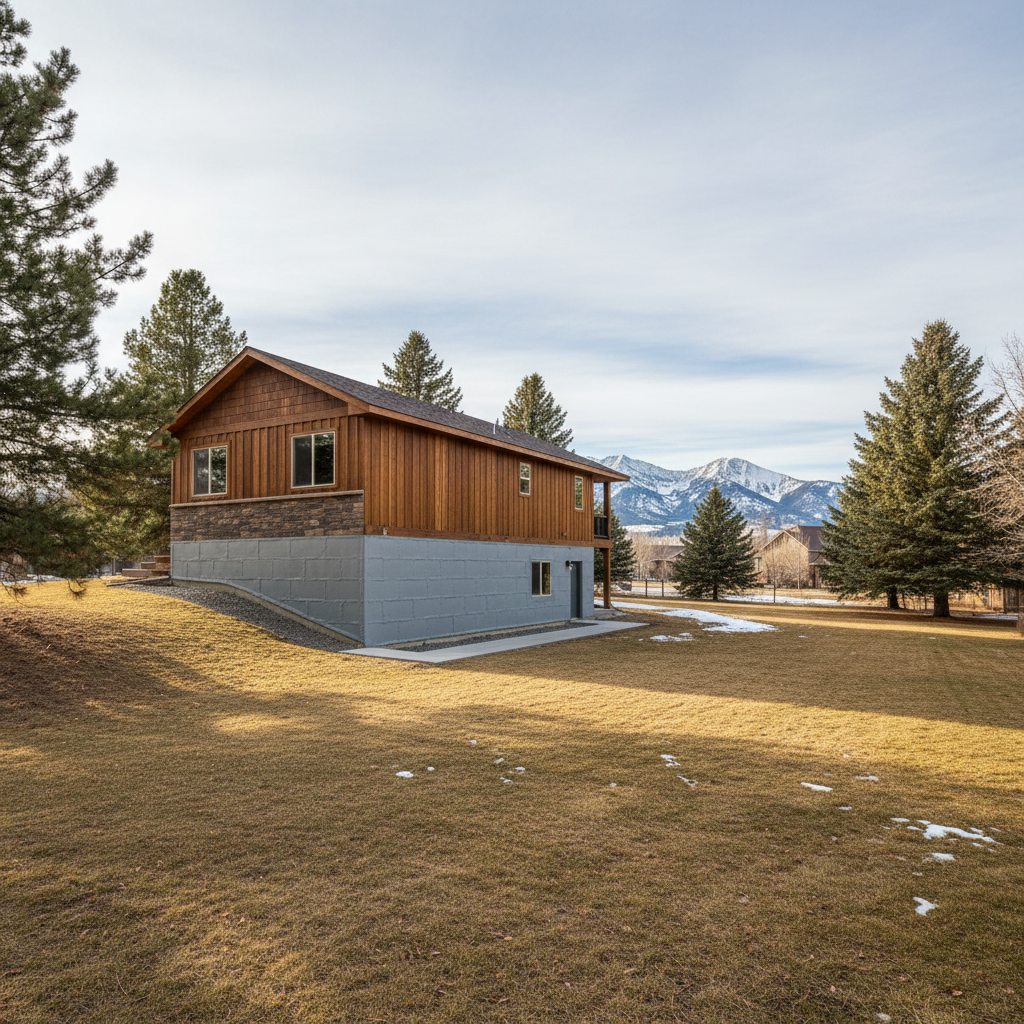
You've got a basement, right? Most homes around Bozeman do, whether it's a newer build out in the Four Corners area or an older place closer to downtown. And if you're like a lot of folks I talk to, you're either thinking about finishing it, or you're just plain tired of how cold it gets down there, or how much your heating bill jumps in the winter.
Let me tell you, basement insulation isn't just some optional upgrade. Around here, with our long, cold winters and sometimes surprisingly chilly summers, it's a fundamental part of making your home comfortable and efficient. I've seen countless basements, and the difference good insulation makes is night and day.
Why Your Basement Needs Insulation (Especially Here)
Think about it. Your basement walls are in direct contact with the ground. And while the ground provides some thermal mass, it's still a huge heat sink. In winter, it's sucking warmth right out of your house. In summer, it can be letting cool air escape or, if it's humid, contributing to moisture issues. We get some serious temperature swings in the Gallatin Valley, sometimes 40 degrees in a day, and that puts a lot of stress on uninsulated foundations.
Here's what I typically see:
- Cold Floors: If your main floor feels chilly, especially near exterior walls, it's often because the heat is escaping into your unconditioned basement.
- High Energy Bills: Your furnace or AC is working overtime trying to compensate for all that heat loss or gain through the basement.
- Moisture Problems: Uninsulated walls can be colder than the air, leading to condensation. This is especially true in older homes where drainage might not be perfect, or if you've got some of that heavy clay soil we have in parts of Bozeman that holds onto moisture.
- Unusable Space: Who wants to spend time in a damp, drafty, freezing basement? Proper insulation transforms it into usable living space.
What Kind of Insulation Works Best?
This isn't a one-size-fits-all situation. What works best depends on your specific basement, its construction, and your goals. We're not just talking about stuffing fiberglass batts between studs and calling it a day, though that can be part of it.
For basement walls, I'm a big fan of rigid foam board or spray foam. These materials offer excellent R-value per inch, and critically, they act as a vapor barrier and air seal. That's huge for preventing moisture issues and drafts. With our freeze-thaw cycles, you want something that's going to hold up and protect your foundation.
If you're finishing the basement, you'll typically build stud walls inside the foundation walls, and then insulate between those studs. But you absolutely need to make sure you're addressing the foundation wall itself first, especially if you're dealing with concrete. We've done a lot of these projects, from new construction in places like Black Bull to older remodels in the University District, and the approach changes slightly for each.
Why Local Expertise Matters
You can read all the DIY articles you want, but Bozeman isn't Phoenix. Our climate, soil conditions, and even the common building practices here mean you need someone who understands the local context. I've seen too many DIY or inexperienced jobs that end up causing more problems than they solve – mold, rot, or just plain ineffective insulation.
When you're dealing with your foundation, you don't want to cut corners. You need to understand how moisture moves, how to properly air seal, and what R-values are actually effective for our Montana climate. That's where a local company like Premium Insulation Inc comes in. We've been doing this for years, right here in the Gallatin Valley. We know what works, what doesn't, and how to do it right the first time.
So, if your basement is cold, damp, or you're just looking to make your home more efficient and comfortable, give us a call. We can walk you through your options and help you figure out the best plan for your specific situation. Don't let your basement be an energy drain or an unused space anymore.