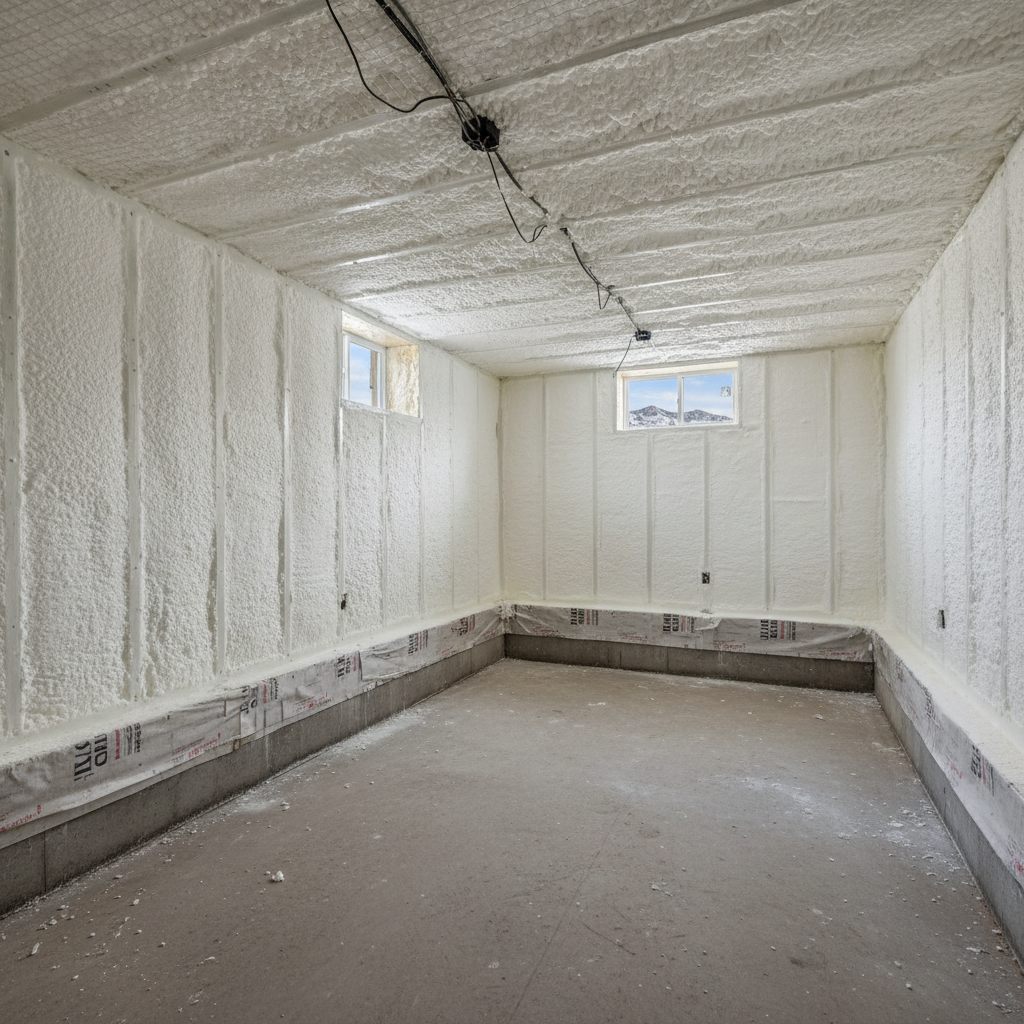
So, you're thinking about insulating your basement. Smart move, that. It's a pretty big investment, and naturally, you want to get it right. But, you know, I've seen a lot of folks around Bozeman make some pretty common — and often expensive — blunders when they're planning or hiring for basement insulation. Let's talk about what to keep an eye out for, so you don't end up kicking yourself later.
Mistake #1: Not Really Understanding Your Basement's Moisture Situation
This is probably the biggest one, hands down. Before you even *think* about insulation, you absolutely have to know what's going on with moisture down there. I'm not just talking about a full-on flood; I mean things like condensation, that white powdery stuff (efflorescence) on the walls, or even just a general damp smell. If you insulate over existing moisture problems, well, you're basically creating a perfect breeding ground for mold and mildew. That's a health hazard, it can wreck your new insulation, and trust me, it's a nightmare to fix later.
First things first, you need to deal with any water getting in or too much humidity. That might mean improving your exterior drainage, putting in interior perimeter drains, or sometimes, just a good dehumidifier. Don't let anyone tell you that insulation alone will solve a moisture problem. It won't. It'll just hide it until it's a much, much bigger headache.
Mistake #2: Picking the Wrong Kind of Insulation for Below Grade
Not all insulation is created equal, especially when it comes to basements. You can't just slap fiberglass batts against a concrete wall and call it a day. Concrete is porous, and it's going to transfer moisture and cold right through. Fiberglass and cellulose? They soak up moisture like a sponge, lose their R-value, and can quickly become a mold haven in a basement environment. I've seen this happen too many times in older homes, particularly in areas like the Southside where some of those foundations have certainly seen a lot of seasons.
For anything below ground level, you need materials that can handle moisture and create a thermal break. Rigid foam boards (like XPS or EPS) or closed-cell spray foam are usually your best bets. They resist moisture, form a continuous thermal barrier, and can even act as a vapor barrier. Open-cell spray foam? Not ideal for below grade because it lets water vapor through. Make sure your contractor actually understands the difference and recommends the right product for your specific situation.
Mistake #3: Skimping on Air Sealing
Insulation is only as good as your air sealing, period. You could have the highest R-value insulation on the planet, but if cold air is still sneaking in through cracks and gaps, you're just throwing energy and money away. Basements, especially older ones, are notorious for air leaks. Think about the rim joist area — that's where your foundation meets your framing. There are often tons of tiny gaps there where cold air can just pour in.
A really good insulation job starts with careful air sealing. This means using caulk, expanding foam, or specialized tapes to seal every crack, every penetration (like pipes or wires), and every seam. If your contractor isn't talking about air sealing as a critical first step, that's a definite red flag. It's not some optional extra; it's fundamental to an effective insulation system. We always prioritize air sealing here at Premium Insulation Inc because, frankly, we know it makes a huge difference in performance.
Mistake #4: Not Thinking About the Long-Term Plan for Your Basement
Are you just insulating for comfort and to save on energy, or do you plan to finish the basement down the road? Your insulation choices really should reflect your future plans. If you're going to finish it, you'll need to consider framing, electrical, plumbing, and drywall. Some insulation methods are much easier to work with than others when it comes to finishing.
For example, installing rigid foam boards against the concrete and then building a stud wall in front of it is a common and effective approach for future finishing. Spray foam can also work great, but you need to make sure the thickness leaves enough room for your framing if you're not spraying directly into stud bays. Have this conversation upfront with your contractor. You don't want to pay for an insulation job only to find out it's going to be a headache or require rework when you're ready for the next phase.
Mistake #5: Hiring the Cheapest Bid Without Asking the Right Questions
Look, I get it, everyone wants a good deal. But when it comes to something as critical as basement insulation, the cheapest bid can often turn into the most expensive mistake. You're not just buying a product here; you're buying expertise, proper installation, and well, a little peace of mind.
When you're getting bids, don't just stare at the bottom line. Ask detailed questions:
- What specific materials are they recommending and why, exactly?
- How will they handle moisture and air sealing?
- Are they licensed and insured for this kind of work in Montana?
- Can they give you local references?
- What's their warranty on both materials and labor?
A reputable contractor will be happy to explain their process and justify their recommendations. If someone gives you a vague answer or pushes for a quick decision without much explanation, that's a sign to be cautious. You want someone who truly understands the unique challenges of insulating basements in a climate like ours, with our cold winters and sometimes damp conditions. Do your homework, ask tough questions, and choose a contractor who makes you feel confident, not just one who offers the lowest price.